A keynote starts the conversation. A workshop changes how a team works, using real material the group brings with them.
Choose the workshop based on where attention is breaking down: individual focus, team habits, or communication that needs to land.
 01
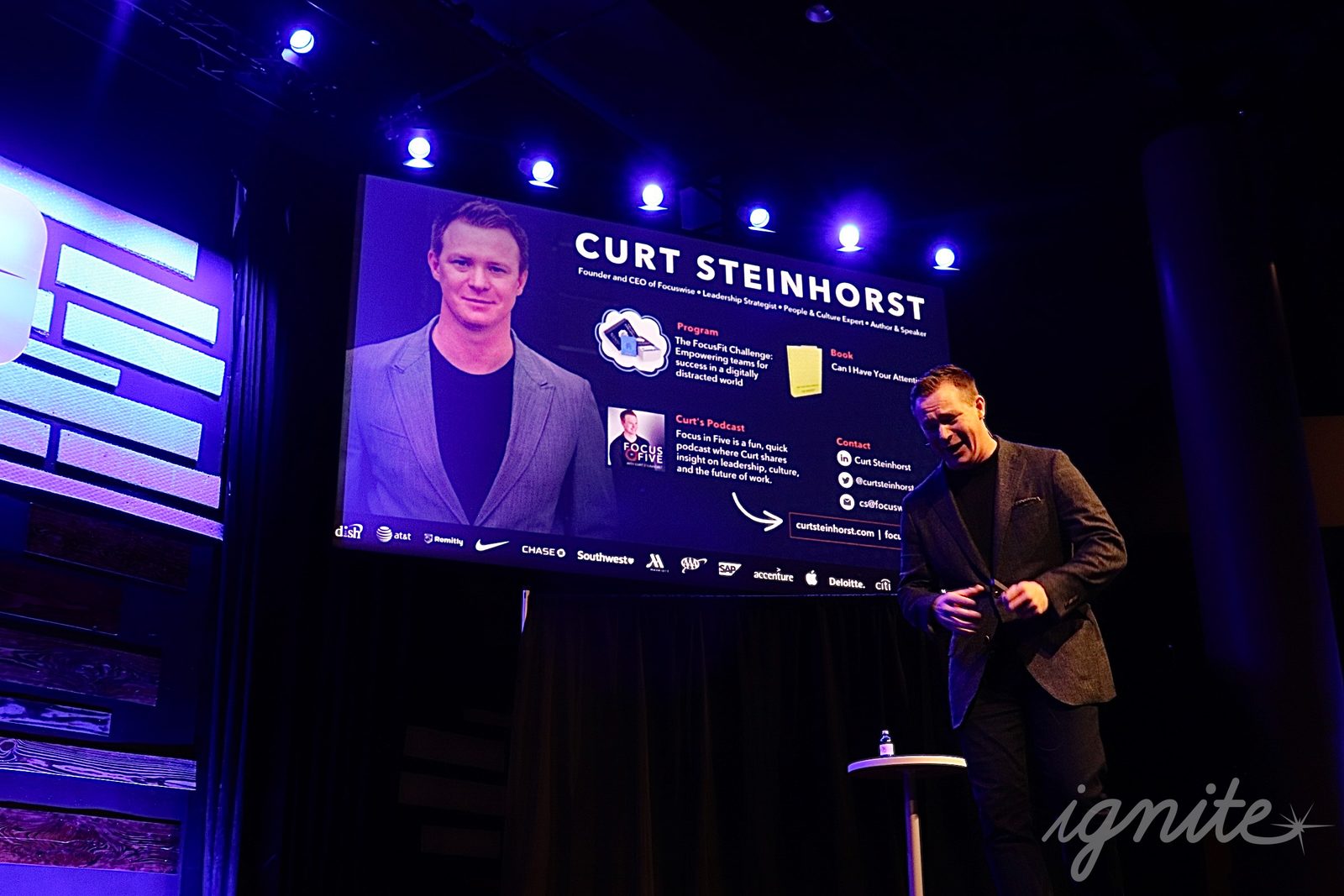
01A card-based team program that turns focus into a shared daily practice.
The deck, the journal, and the team structure live on their own page. If your group is ready to practice better attention habits together, start there.
 02
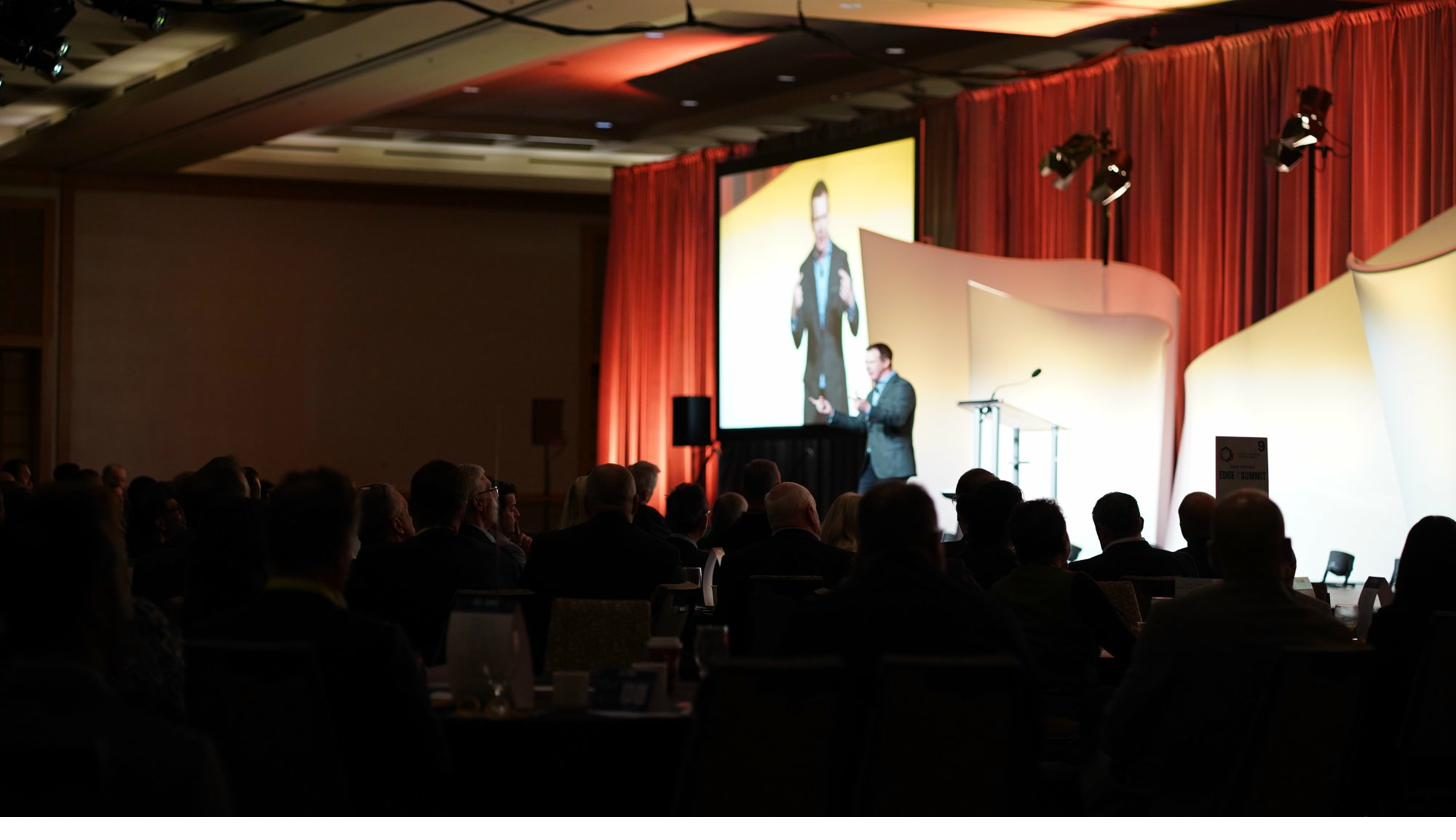
02A facilitated session on the attention a team spends on itself, and how to stop spending it by accident.
The meetings, the messages, the always-on expectation: a team's habits quietly decide how much attention survives the day, and most teams never chose those habits on purpose. This workshop puts them on the table and lets the group build something better, together.
It's built on attention science, not opinion. Teams leave with agreements they actually made themselves, not a poster of rules someone taped to the breakroom wall.
The session starts from the mechanics of attention and interruption, so the team is fixing causes, not symptoms.
No one gets singled out. The group works on the system it's all stuck inside.
The team writes its own norms for meetings, messaging, and focus time, which is why they hold.
Everything is built to survive a normal week, not a perfect one.
 03
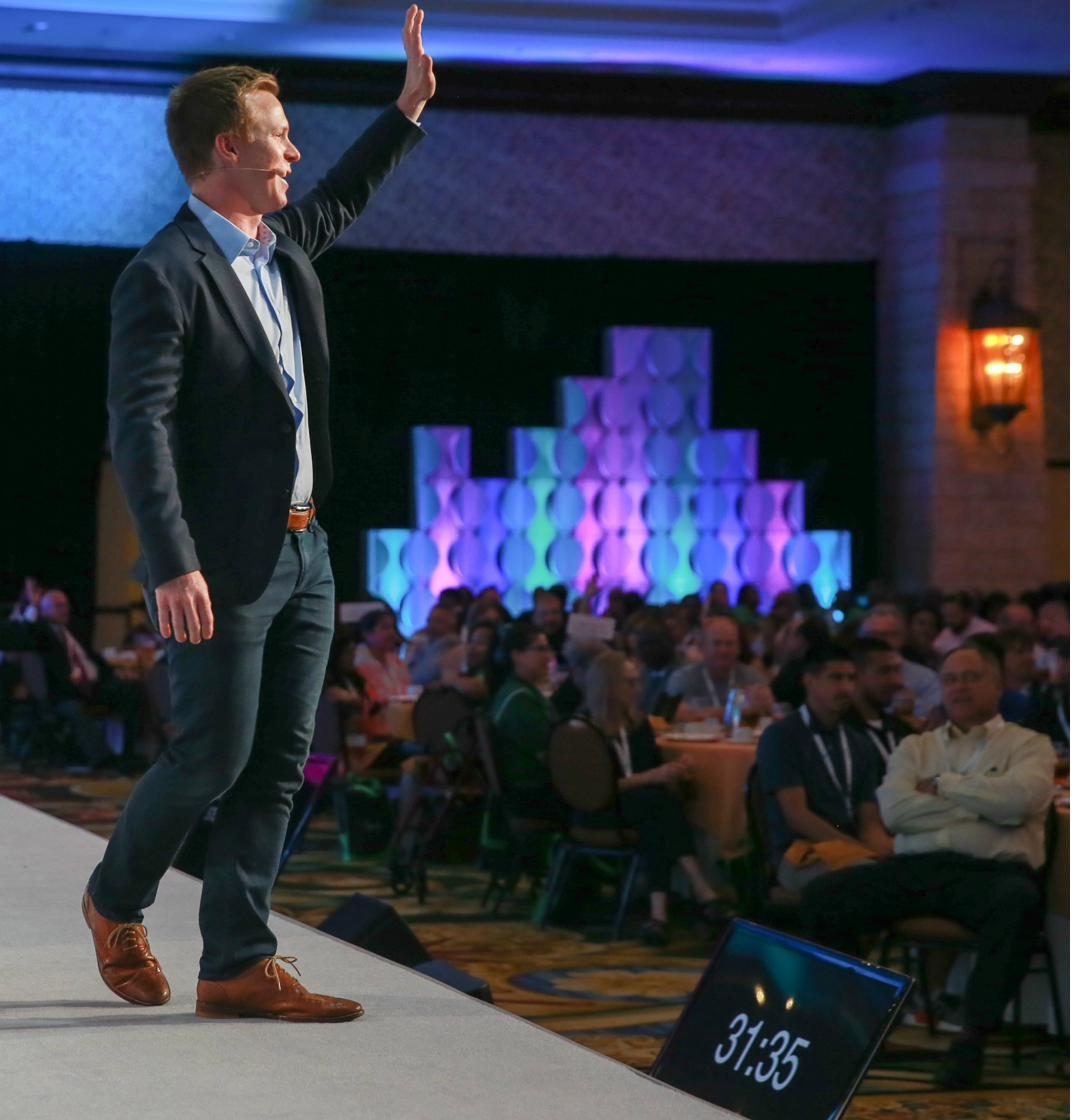
03Communication skills that move people and work. A working session that makes anyone a clearer, more compelling communicator.
Communicating clearly at work is harder than it looks and more important than most people realize. Messages get lost. Good ideas don't land. And most presentation training hands out a checklist of tips no one has time to use. This workshop works the root instead: the dynamics of attention, clarity, and credibility that decide whether communication lands or doesn't.
Instead of a hundred tips no one remembers, it gets underneath the noise to explain why communication works or doesn't.
Most training assumes the problem is information. The limitation is time. This is built to prepare strong material inside an actual workload.
Not about performing. About showing up clearly in the moments that matter. Low-stakes, high-engagement, immediately usable.
Teams leave with a common framework for building and delivering messages: faster prep, better feedback, clearer alignment.